
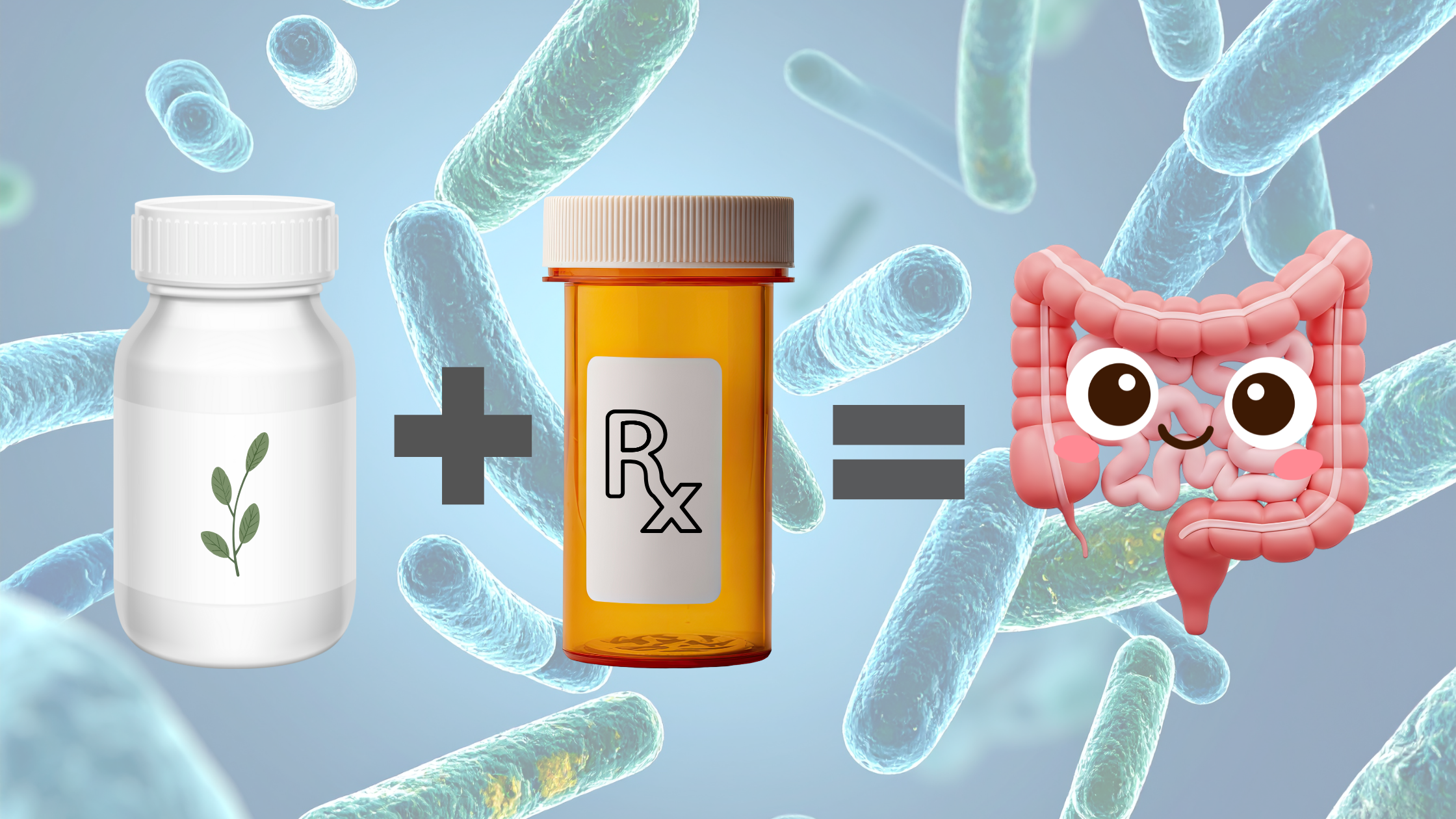
Using a combination protocol that begins with herbal treatments for small intestine bacterial overgrowth (SIBO) followed by prescription antibiotics can significantly enhance treatment outcomes, reduce side effects, and lower the likelihood of recurrence. This stepwise approach leverages the benefits of both natural and pharmaceutical therapies, creating a more comprehensive and effective treatment plan.
Step 1: Herbal Antimicrobials
Starting with herbal antimicrobials, such as oregano oil, berberine, and thyme, helps to reduce the bacterial load in the small intestine in a gentler manner. These herbs not only target the harmful bacteria responsible for SIBO but also possess antifungal and anti-inflammatory properties, which contribute to a more balanced gut environment. By addressing the overgrowth with herbs first, the overall bacterial population is lowered, making it easier for the subsequent antibiotic treatment to effectively target the remaining bacteria without overwhelming the gut microbiome.
Step 2: Prescription Antibiotics
Following up with prescription antibiotics, such as Rifaximin or a combination of Rifaximin with Neomycin and/or Metronidazole, allows for a more focused and potent elimination of the remaining bacteria. Since the bacterial load has already been reduced by the herbal treatment, a lower dose or shorter course of antibiotics may be sufficient, which can help to minimize potential side effects such as diarrhea, nausea, and gut dysbiosis. Additionally, this dual approach helps to address both hydrogen-producing and methane-producing bacteria, ensuring a more thorough eradication of the overgrowth.
The Benefits of the Combo Approach
By first reducing the bacterial population with herbs and then using antibiotics for a targeted cleanup, this combination protocol also reduces the chances of antibiotic resistance. The use of herbal treatments can decrease the need for high doses of antibiotics, which are more likely to lead to resistance. Furthermore, this approach may prevent the common recurrence of SIBO, as the gut flora is better preserved and less disrupted, allowing for a healthier environment that is less conducive to bacterial overgrowth in the future.
Overall, a combination protocol that incorporates both herbal and antibiotic treatments provides a holistic and effective strategy for managing SIBO, improving outcomes, and reducing the risk of side effects and recurrence.
Neurovanna offers complimentary one-on-one consults with SIBO experts to healthcare providers to help better understand test results and the best course of treatment. Sign up to get help with interpreting results and addressing complex cases.