
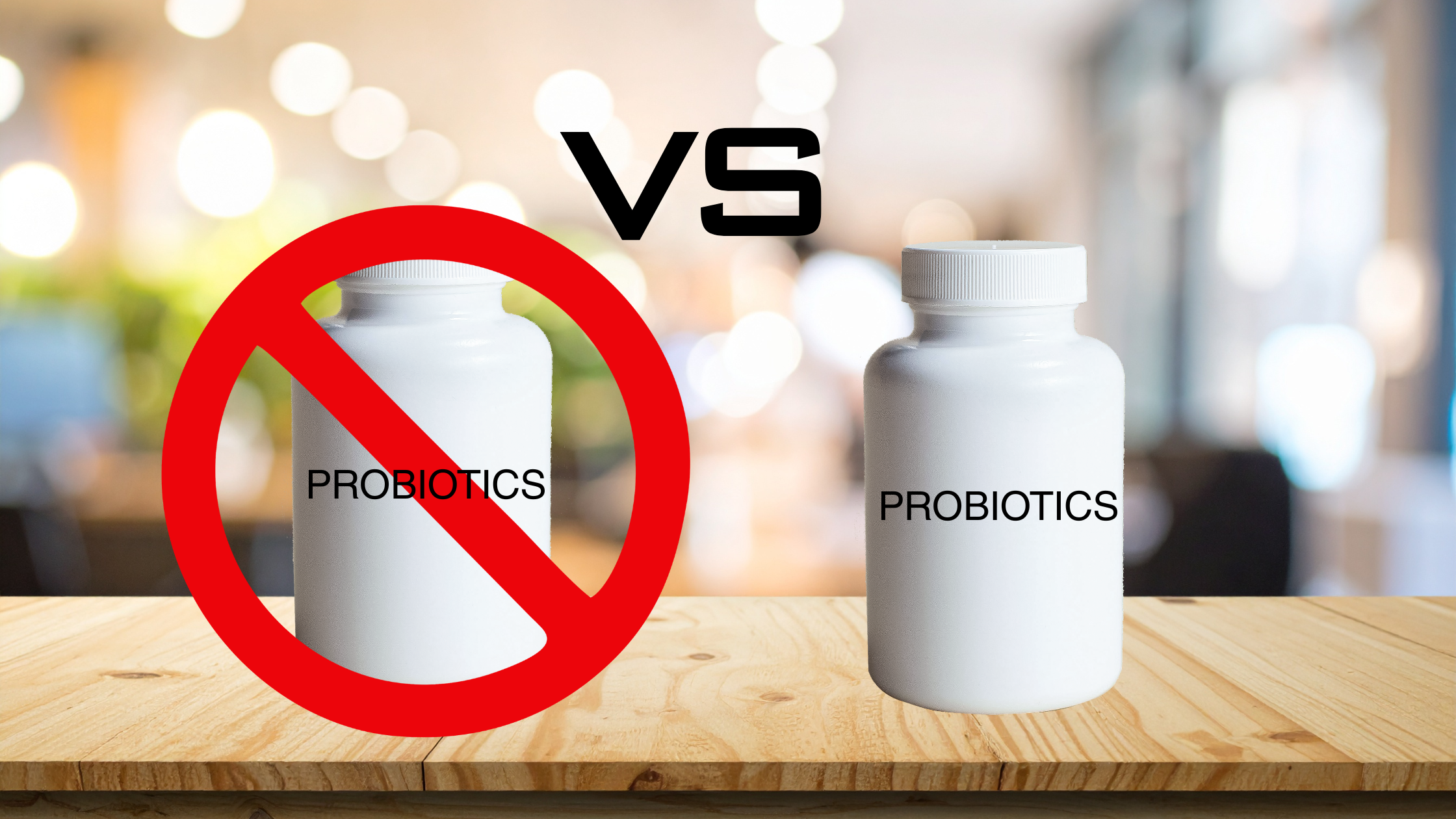
Probiotics are often recommended for their beneficial effects on gut health, but their use isn’t suitable for everyone. For instance, they can cause more issues for individuals with Small Intestinal Bacterial Overgrowth (SIBO) and conditions like Mast Cell Activation Syndrome (MCAS).While probiotics can play a critical role in maintaining and restoring healthy gut flora, they may not be the right choice during the treatment phase for certain gut-related conditions.
Probiotics and Mast Cell Activation Syndrome (MCAS)
People with Mast Cell Activation Syndrome (MCAS) often exhibit heightened immune responses, making them sensitive to various stimuli, including probiotics. Regardless of whether they have SIBO or a fungal overgrowth, individuals with MCAS may experience adverse reactions to probiotics. This sensitivity is commonly misunderstood, as many people assume probiotics to be universally beneficial.
The introduction of probiotics in individuals with MCAS can trigger mast cells to release histamine and other inflammatory mediators, potentially worsening symptoms. Therefore, for those with MCAS, probiotics can lead to increased gastrointestinal distress, bloating, and other systemic reactions, complicating their health picture.
Probiotics During SIBO Treatment
Taking probiotics during an active SIBO infection can be unpredictable and may sometimes do more harm than good. In cases of moderate to high bacterial overgrowth, introducing additional bacteria through probiotics can further exacerbate symptoms like bloating, gas, and abdominal pain. While some probiotic strains might help outcompete harmful bacteria in the small intestine, the outcome can vary widely among individuals. This unpredictability makes it challenging to determine whether the probiotics will lower or increase bacterial overgrowth, especially when the gut is already in a state of dysbiosis.
In spite of the issues, many companies market specific probiotic strains as “SIBO safe,” but these claims are often based on marketing rather than robust clinical evidence. Individual responses to probiotics during SIBO treatment can be highly variable, with some people experiencing significant relief and others reporting worsening symptoms. Because of this, many health practitioners recommend avoiding probiotics during the herbal or antibiotic treatment phase of SIBO. Instead, probiotics are more beneficial after the treatment to help repair and restore a healthy gut microflora.
Spore-Based Probiotics: An Alternative for SIBO
Spore-based probiotics, such as Bacillus species, have gained popularity as an alternative for people with SIBO, especially those who experience adverse reactions to conventional probiotics. These spores are thought to remain dormant until they reach the gut. Spore probiotics are often tolerated better than other forms, potentially due to their minimal activity in the small intestine. However, it’s important to note that spore-based probiotics are not as well-researched as conventional probiotics. Much of their purported benefit comes from clinical observations rather than extensive scientific study. Their popularity stems largely from their perceived ability to avoid worsening symptoms like bloating during SIBO treatment. Yet, caution is still advised, as individual reactions can vary, and more research is needed to better understand their impact on SIBO and benefit versus cost.
Probiotics Post-Treatment and During Antibiotic Therapy
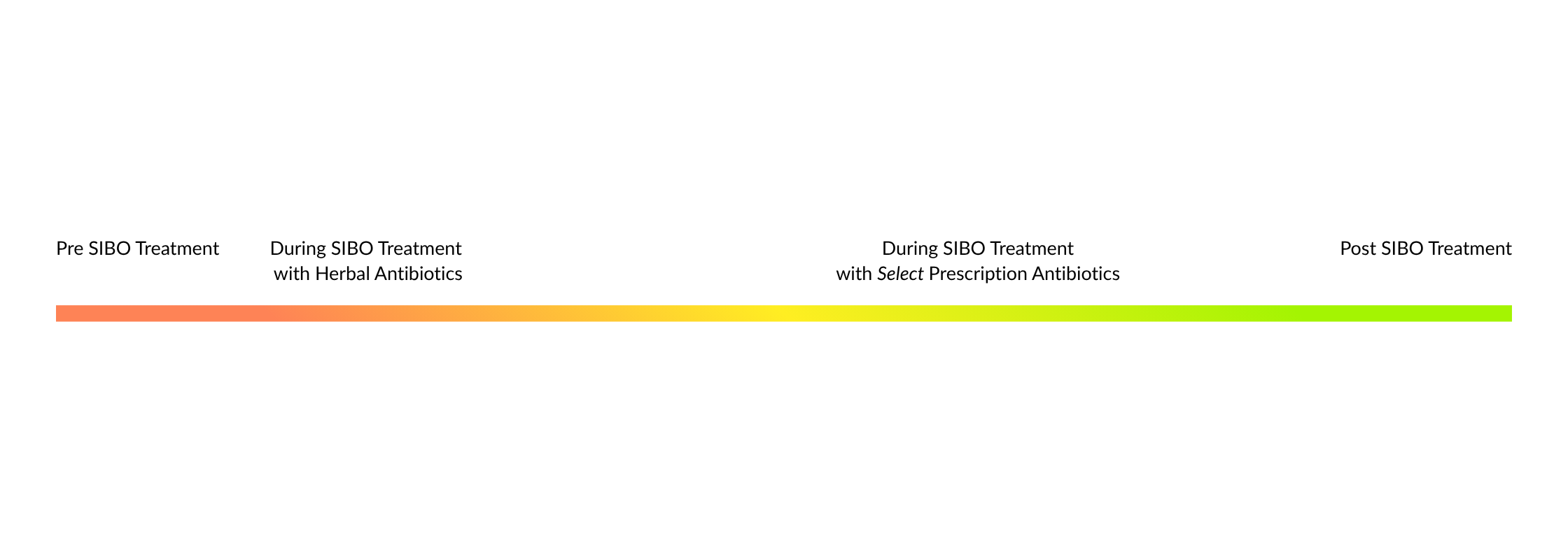
While probiotics are generally avoided during the active treatment phase of SIBO, they can play a crucial role post-treatment. After reducing the bacterial overgrowth with herbal or antibiotic therapy, introducing probiotics can help rebuild a balanced gut microbiome, making the gut environment less conducive to the recurrence of SIBO. Additionally, probiotics, especially those containing strains like Saccharomyces boulardii and Lactobacillus, have been extensively studied for their ability to reduce the risk of Candida overgrowth and C. difficile infections during antibiotic therapy. Taking probiotics alongside antibiotics can support the gut’s beneficial bacteria, reducing the likelihood of antibiotic-associated diarrhea and protecting against opportunistic infections.
Conclusion
Probiotics can be a double-edged sword in the context of SIBO and conditions like MCAS. While they are beneficial for gut health in many scenarios, their use during active SIBO treatment is controversial due to the unpredictable nature of their effects on bacterial overgrowth. For those with mast cell issues, probiotics can even trigger negative reactions regardless of their gut condition.
Consequently, it’s often advised to reserve probiotics for the post-treatment phase to help restore a healthy gut flora. Despite the popularity of probiotics and spore-based alternatives in the SIBO community, it’s essential to approach their use cautiously and recognize that many product claims are based on marketing rather than solid scientific evidence.
Individualized assessment and guidance from a healthcare professional are key when deciding on the best approach to using probiotics during SIBO treatment. Become a Neurovanna SIBO healthcare provider.
The information on this site is for educational purposes only. Individual results may vary. Neurovanna does not guarantee specific results. Treatments are intended to support the body’s natural functions and should be part of a comprehensive health plan supervised by a physician. Consult with a physician before starting any new health protocol.