
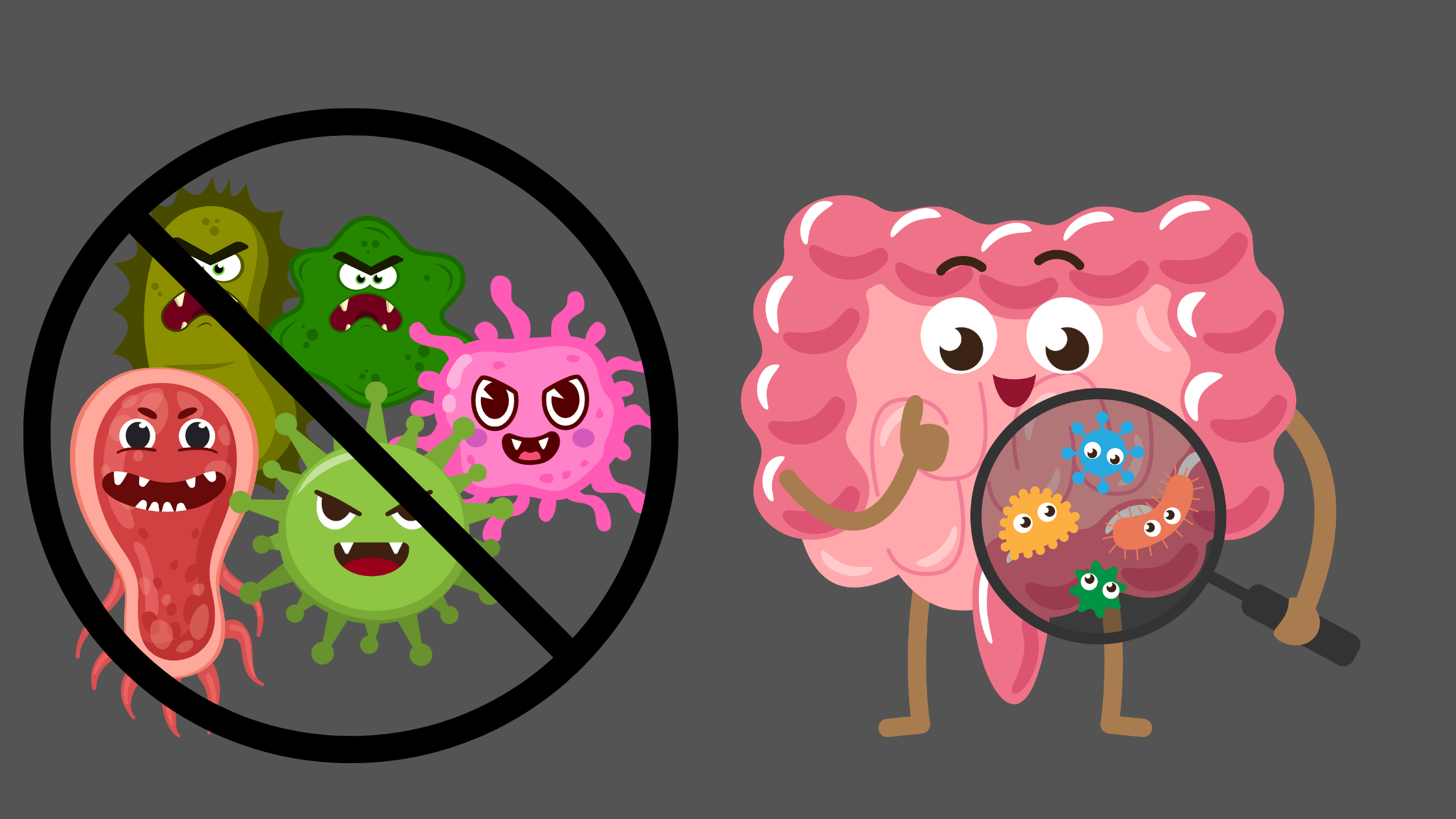
Successfully treating SIBO (Small Intestinal Bacterial Overgrowth) is a big win—but for many, it’s only half the battle. A significant number of people experience recurrence within months, often because the root conditions that allowed SIBO to flourish still linger. While targeted antimicrobials, digestive aids and motility agents are part of a strong post-treatment plan, there’s one often-overlooked strategy that can make a big difference: rotating your diet to promote microbial diversity.
Cultivating a Stronger Gut after SIBO
After clearing out SIBO, your gut is like a garden bed that’s just been weeded. Left alone, those same “weeds” (opportunistic bacteria) can easily return. One way to prevent this? Diversify what you plant. In microbiome terms, that means feeding a wide range of beneficial bacteria with diverse nutrients, fibers, and polyphenols. Restrictive or repetitive eating habits—like eating the same breakfast, lunch, and dinner every day—can actually narrow your microbial diversity and create space for SIBO to creep back in.
Diet Rotation: A Natural Microbiome Reset
Rather than jumping on a long-term restrictive diet, consider changing your entire dietary approach for 2–4 weeks at a time. This doesn’t mean you must follow a strict SIBO, low-FODMAP, or carnivore diet (although those are common in the SIBO community). What matters more is that the diet is significantly different from your usual pattern, challenging your microbial environment and nudging it toward greater balance.
Examples of dietary shifts that promote microbial diversity:
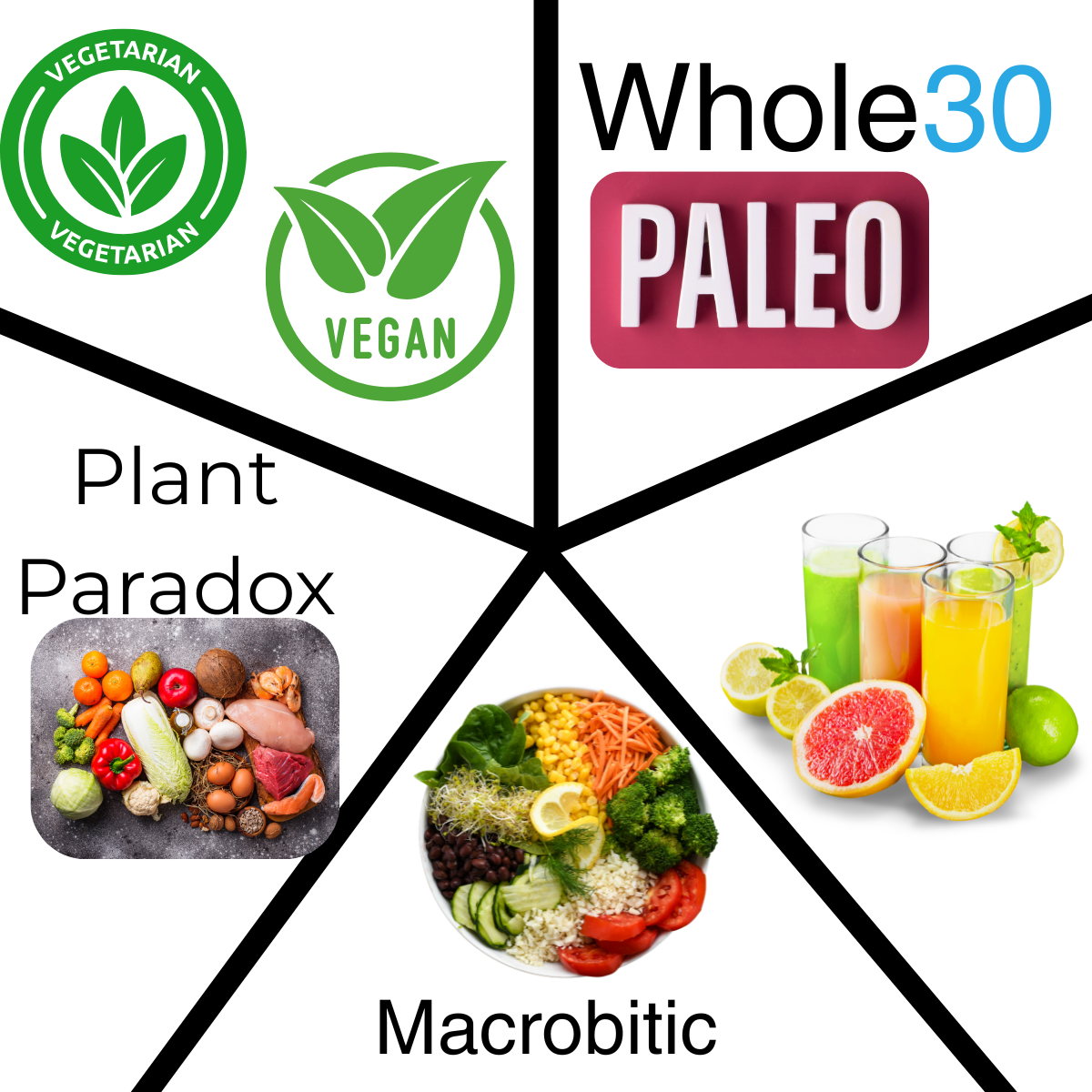
- Vegetarian or Vegan Diets – Rich in fiber and plant-based polyphenols
- Paleo or Whole30 – Emphasizes whole foods, anti-inflammatory choices, and glycemic control
- Plant-Paradox Diet – Lectin-reduction approach that some find helpful post-SIBO
- Juice Fasts Diets – Temporary use of juices can give your gut a nutrient surge and metabolic break
- Macrobiotic – A predominantly plant-based dietary approach emphasizing whole grains (especially brown rice), local and seasonal vegetables, sea vegetables, beans, and fermented foods
Diversity Creates Resilience
Just like in any ecosystem—be it a forest, coral reef, or prairie—diversity builds strength. A diverse gut microbiome is more resistant to overgrowths, more adaptable to stress, and better at regulating inflammation, metabolism, and immune function. Changing your diet stimulates different bacterial populations, discouraging dominance by any single group, including those that drive SIBO.
This is not about yo-yo dieting or jumping from trend to trend in search of weight loss. In fact, most fad diets fail to produce lasting weight change. Instead, this is a microbiome-targeted strategy—using food as a tool to manage gut health after SIBO, just like you might rotate crops to enrich soil in sustainable agriculture.
Putting It Into Practice
After SIBO treatment, your gut needs stability and biodiversity, not rigid restriction. By intentionally changing your diet for 2–4 weeks at a time, you can help re-seed your microbiome, suppress overgrowth-prone species, and create a healthier, more adaptable internal ecosystem. In the world of gut health, diet diversity is your best defense.
If you suffer from recurring SIBO, a change in diet might be beneficial along with other interventions. If you are looking for a SIBO healthcare provider, email us, and we will connect you with the nearest Neurovanna healthcare provider.
The information on this site is for educational purposes only. Individual results may vary. Neurovanna does not guarantee specific results. Treatments are intended to support the body’s natural functions and should be part of a comprehensive health plan supervised by a physician. Consult with a physician before starting any new health protocol.